Doom scrolling through TikTok, Instagram or whichever social media platform fills your evenings, it is hard to ignore the constant stream of influencer promotions flooding our screens. From luxurious brand trips to lavish launch parties and towering billboards, influencers have become some of the most powerful figures in the beauty industry, holding enormous influence over audiences and markets alike. But beneath the glossy packaging and carefully curated routines, lies a less comfortable truth. Many brands and influencers are profiting directly from our insecurities.

There now seems to be a product for everything. Fuller lips, smoother skin, thicker hair, tighter pores. From serums to supplements and even preventative Botox, modern beauty culture increasingly suggests that every perceived flaw has a purchasable solution. In doing so, it loudly reinforces unrealistic beauty standards while encouraging women to believe that perfection is only a few purchases away. What is often marketed as self-care or empowerment, can instead become another way women are pushed to invest their hard-earned money in chasing an ever-changing and often unattainable ideal standard of beauty.
This raises an important question. Should influencers be held accountable for the products they promote to their loyal audiences? When someone’s career depends on their appearance, personality or lifestyle, and that image reaches thousands or even millions of followers, the impact of their recommendations cannot be ignored. With that level of influence, comes a level of responsibility. The effects of this culture are already visible. Young girls are now asking for skincare products for Christmas and birthdays at ages as young as seven. Products originally designed for adult skin have become part of childhood wish lists, fuelled by viral routines and influencer endorsements. Should children this young really be exposed to beauty products marketed around anti-aging and skin correction?
Last year, there was widespread concern when young audiences became obsessed with viral “glow serums” and skincare routines containing active ingredients intended for older skin. While the outrage was short-lived, it highlighted a growing issue. Social media has accelerated the normalisation of beauty routines for children, blurring the line between self-care and commercial pressure.
The reality is that influencer culture does not exist in isolation. It is deeply tied to a system that thrives on constant consumption. Social media has created a space where trends move faster than ever before and where the pressure to keep buying, upgrading and improving rarely stops. What was once a simple skincare routine has turned into a ten-step process, with each product marketed as essential for achieving flawless skin. Influencers sit at the centre of this system. Their relatability makes marketing feel personal rather than commercial. A product recommendation no longer looks like an advertisement; it looks like advice from a friend. This is what makes influencer marketing so powerful. Followers trust the people they watch daily, often forgetting that behind many posts are brand deals, affiliate links and carefully structured campaigns designed to sell.
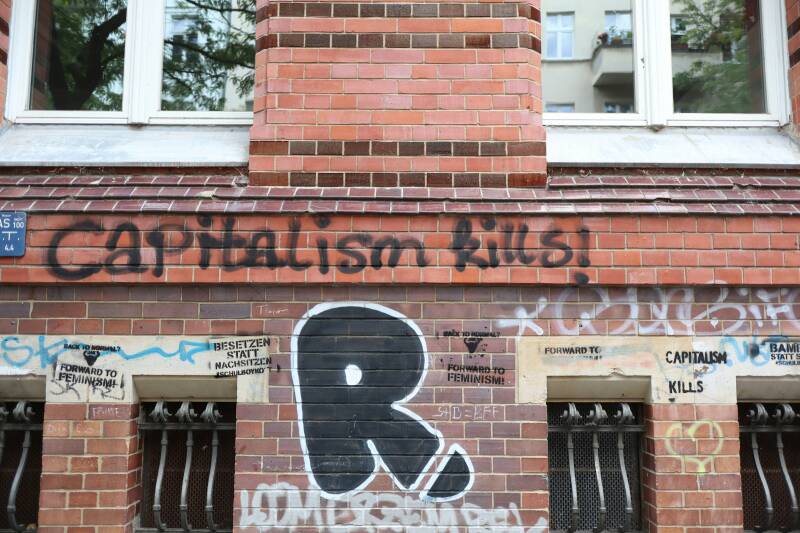
Photo by Moises Gonzalez on Unsplash
The result is a culture where consumption is framed as self-improvement. Buying another serum, another supplement or another beauty treatment is presented as an investment in yourself. But when every scroll introduces a new product promising transformation, the message becomes clear. You are always one purchase away from becoming a better version of yourself.
Of course, not every influencer feeds into this cycle. Many creators use their platforms to promote body positivity, realistic beauty standards and self-acceptance. These voices challenge the pressure to constantly improve or “fix” ourselves. Yet, noticeably, these influencers often receive far less attention than those promoting aspirational lifestyles and curated perfection. Social media algorithms tend to reward content that is visually striking and idealised, meaning posts showcasing luxury, flawless routines and transformations often perform stronger than messages encouraging people to embrace their natural appearance. In a system driven by engagement and profit, unattainable perfection simply sells better than authenticity.
In reality, the standard being sold is constantly shifting. What is trending today will be replaced tomorrow by another product, another routine and another supposed necessity. The pursuit of perfection therefore becomes endless, and incredibly profitable. Sadly social media has created a space where trends move faster and the pressure to keep buying and improving rarely stops. What was once a simple skincare routine has turned into a ten step process, with each product marketed as essential for achieving flawless skin. Influencers sit at the centre of this system and thankfully governments are taking notice.
Governments are starting to take notice. Several countries have introduced new rules to protect consumers from misleading beauty promotions and cosmetic surgery marketing. In France, lawmakers have introduced one of the first comprehensive legal frameworks aimed at controlling influencer marketing. Under the 2023 law, creators are prohibited from promoting cosmetic surgery or other aesthetic procedures as part of paid partnerships and must clearly label paid content and heavily retouched or digitally altered images to protect consumers from misleading messages and appearance pressure. Violations can carry penalties of up to two years in prison and fines of three hundred thousand euros and regulators can take down illegal content.
This is not an isolated development. Norway has made it illegal for influencers and advertisers to post unlabelled retouched images in an effort to counter unrealistic body ideals in online feeds. China has also cracked down on cosmetic advertising on social media citing both health and psychological harms linked to appearance anxiety.
These regulatory moves reflect a growing recognition that unchecked influencer culture, particularly when it encourages cosmetic enhancements as normal or desirable, can have real consequences for self esteem and body image especially among young people. They signal a shift away from treating digital marketing as a wild west and toward viewing it as a social space that shapes expectations about beauty, worth and identity with legal accountability for those who profit from insecurities.
Looking to know more on the topic? A recent study from the University of Portsmouth explores how influencers shape consumer behaviour and contribute to unrealistic beauty standards, highlighting the psychological and ethical impacts of social media marketing. Read more here.
Add comment
Comments